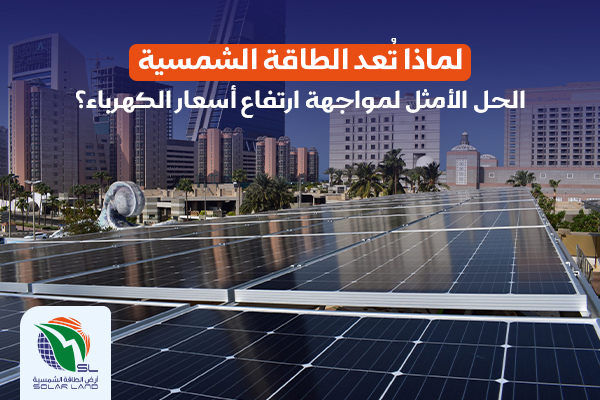
لماذا تعد الطاقة الشمسية الحل الأمثل لمواجهة ارتفاع أسعار الكهرباء؟
ماذا لو كان بإمكانك الاعتماد على مصدر طاقة ثابت، نظيف، ويمنحك التحكم الكامل في استهلاكك؟
غالبًا ما تواجه تحديات مع مصادر الطاقة التقليدية من ارتفاع التكاليف إلى الضغط على الشبكات وانقطاع الكهرباء وهو ما يؤثر على راحتك وكفاءة مشاريعك، وهنا تظهر أهمية الطاقة الشمسية كحل مستدام وموثوق يوفر كهرباء مستقرة ونظيفة ويقلل التكاليف على المدى الطويل ليمنحك استقلالية أكبر سواء في منزلك أو مشروعك التجاري أو الصناعي.
ما هو مفهوم الطاقة الشمسية؟
الطاقة الشمسية هي طاقة ناتجة من إشعاع الشمس يتم استغلالها لإنتاج الكهرباء أو التسخين، وهي مصدر متجدد ومتوافر بكميات ضخمة تتجاوز احتياجات العالم. بفضل التقنيات الحديثة يمكن تحويل ضوء الشمس إلى كهرباء أو استخدام حرارتها في التطبيقات المنزلية والصناعية، مما يجعلها أحد أهم حلول الطاقة النظيفة اليوم.
أهمية الطاقة الشمسية
تنبع اهمية الطاقة الشمسية من مجموعة من المزايا الفريدة التي لا توفرها مصادر الطاقة التقليدية وتبرز كخيار مستدام على مستوى الافراد والدول على حد سواء:
- طاقة متجددة: أكثر ما يميز الطاقة الشمسية أنها مصدر متجدد لا ينفد طالما هناك شمس وهناك طاقة وبالتالي يمنحك استقلال طويل الامد عن الوقود الاحفوري المحدود ويتيح تغطية استهلاك الطاقة لعقود.
- صديقة للبيئة: التحول الى الطاقة الشمسية يقلل من انبعاث الغازات الكربونية والملوثات الناتجة عن حرق الفحم او الغاز او النفط ويساعدك على المساهمة في مكافحة التغير المناخي وتحسين جودة الهواء.
- استثمار اقتصادي: من خلال استخدام الطاقة الشمسية ستجد ان تكاليف التشغيل والصيانة منخفضة ومع مرور السنوات ستستعيد تكلفة النظام وتبدأ في تحقيق وفورات ملموسة في فواتير الكهرباء.
- مرونة الاستخدام: تمنحك الطاقة الشمسية مرونة في الاستخدام، فيمكنك استخدامها في المناطق الحضرية أو الريفية أو المشاريع الزراعية وحتى في المناطق النائية التي تفتقر الى شبكة كهرباء.
- دعم الاستراتيجية الوطنية: تساهم الطاقة الشمسية على دعم اهداف وطنية واستراتيجية للدولة، فهي تمثل جزءًَا من مزيج الطاقة المتجددة وتخفف الضغط على شبكات الكهرباء التقليدية وتضمن طاقة نظيفة ومستدامة للاجيال القادمة.
اطلع على: أهمية الري بالطاقة الشمسية.

ما هي أنواع الواح الطاقة الشمسية؟
عند الحديث عن الألواح الشمسية نجد انها تختلف من حيث التقنية والكفاءة والتكلفة وملاءمة الاستخدام وفيما يلي اهم هذه الانواع وخصائصها:
ألواح السيليكون احادية البلورة
تصنع هذه الألواح من بلورة سيليكون واحدة نقية وتعتبر الأعلى كفاءة مقارنة بالأنواع الاخرى مما يجعلها مناسبة جدًا إذا كانت مساحة السطح محدودة.
كفاءتها العالية عادًة ما تكون مصحوبة بسعر أعلى لكنها تعطي أداء ممتاز وثبات على المدى الطويل، وتعد خيار ممتاز للمنازل والمباني التي تبحث عن أقصى إنتاج من أقل مساحة.
ألواح السيليكون متعددة البلورات
تصنع هذه الألواح من عدة بلورات سيليكون مدمجة ما يقلل من كفاءتها قليلا مقارنة بالأحادية لكنها تكون أقل تكلفة.
وتناسب هذه الألواح الأماكن ذات الأسطح الواسعة أو المشاريع التي لا تشترط الكفاءة القصوى مقابل توفير أكبر في التكلفة وتمثل توازن جيد بين الجودة والسعر خاصًة في الاستخدام المنزلي أو الزراعي أو التجاري المتوسط.
الألواح الرقيقة
هذه الألواح أخف وزنًا وأكثر مرونة وقد تكون خيار مناسبا للأسطح غير التقليدية أو المائلة أو عند الحاجة لتركيب خفيف وكفاءتها عادة أقل وقد تصل الى نحو 12 بالمئة وسنين عمرها الانتاجي أقل من الألواح البلورية لكنها أقل تكلفة في البداية.
وهي مناسبة للاستخدامات المؤقتة أو الخفيفة أو في أماكن لا يتطلب فيها إنتاج كبير من الكهرباء.
الألواح ثنائية الوجه
تستفيد هذه الألواح من ضوء الشمس الساقط عليها من الأمام ومن الضوء المنعكس من الخلف مما يزيد انتاج الكهرباء وتفضل في البيئات ذات الانعكاس العالي أو عند تركيبها بزاوية تسمح بالاستفادة من الضوء العائد
وبالرغم أن تكلفة هذه الألواح أعلى إلا ان انتاجها الفعلي غالبا ما يكون مجديًا.
أهم استخدامات الطاقة الشمسية في السعودية ودورها في خفض استهلاك الكهرباء
في السعودية حيث تتوفر اشعة الشمس معظم أيام السنة، باتت الطاقة الشمسية استراتيجية مهمة للأفراد والدولة والمشاريع الكبيرة وتساهم بشكل كبير في تقليل استهلاك الكهرباء وزيادة الاستدامة ومن ضمن استخدامات الطاقة الشمسية ما يلي:
1. تركيب أنظمة كهروضوئية للمنازل والمباني السكنية: يمكنك باستخدام الطاقة الشمسية لتغذية جزء أو كل استهلاك الكهرباء في منزلك من خلال الالواح الشمسية مما يقلل فاتورة الكهرباء ويمنحك استقلالية في الطاقة.
2. التطبيقات الزراعية والري بمضخات شمسية: في المناطق الريفية والزراعية يمكنك تشغيل مضخات المياه لري الأراضي أو توفير المياه للمشاريع الزراعية دون الأعتماد على الكهرباء التقليدية أو الديزل.
3. المشاريع الصناعية والتجارية: المصانع والمستودعات يمكنها الأعتماد على الطاقة الشمسية لتشغيل خطوط الانتاج، الاضاءة، والتكييف بالتالي تقل التكاليف التشغيلية على المدى الطويل.
4. أنظمة ضخمة لإنتاج الكهرباء ومحطات شمسية: الحكومة والمستثمرون ينشئون محطات طاقة شمسية لتغذية الشبكة الوطنية ما يقلل الضغط على محطات الوقود التقليدية ويوفر كهرباء نظيفة للملايين.
5. دعم أهداف التنمية والاستدامة الوطنية: باستخدام الطاقة الشمسية فهي تساهم في تقليل الانبعاثات وتنويع مصادر الطاقة وضمان استدامة الموارد في إطار الرؤية المستقبلية.
معايير اختيار الألواح الشمسية: ما الذي يجب التأكد منه قبل الشراء؟
قبل تركيب نظام شمسي يجب التأكد من عدة معايير لضمان جدوى الاستثمار وأداء النظام بالشكل المتوقع ومن أهمها جودة التصنيع وحصول الألواح على شهادات دولية تضمن مقاومتها للحرارة والغبار والرطوبة مع ثبات الأداء وكفاءة الألواح بالنسبة لمساحة السطح المتاحة، وتحملها للظروف المناخية القاسية في السعودية.
بالإضافة إلى الاعتماد على شركة ذات خبرة وسجل مشاريع منجزة وخدمات دعم بعد البيع، كما يجب تصميم النظام بشكل متكامل يشمل العاكس والبطاريات وزاوية الميل والتهوية ومقارنة التكلفة وكفاءة النظام وفرص التوفير لضمان عائد مناسب على الاستثمار.
أفضل شركات الطاقة الشمسية في السعودية
تعتبر شركة أرض الطاقة الشمسية من أبرز الشركات الرائدة في السعودية في مجال الطاقة المتجددة، حيث تقدم حلول متكاملة تناسب المنازل والمصانع والمشاريع التجارية والزراعية، وتوفر الشركة أنظمة شمسية متطورة تضمن كفاءة عالية واستقرار في الأداء مع الالتزام بأعلى معايير الجودة والسلامة.
حول استهلاكك لطاقة شمسية مستقرة بتكلفة أقل وتواصل معنا الآن لتحديد النظام المنالسب لمنزلك أو مشروعك.
الأسئلة الشائعة
ما هي مدة عمر ألواح الطاقة الشمسية؟
عادةً تستمر ألواح الطاقة الشمسية في العمل بكفاءة عالية لمدة تتراوح بين 25 إلى 30 سنة مع إمكانية استمرار انتاج الكهرباء بعد ذلك ولكن بمعدل أقل.
متى يجب تنظيف ألواح الطاقة الشمسية؟
يجب تنظيف ألواح الطاقة الشمسية بشكل دوري حسب كمية الغبار والأتربة عادة كل 4 إلى 12 أسبوع في المناطق الغبارية، ومرة كل 6 إلى 12 شهر في المناطق الأقل تلوثًا.